
Freeport Garage Door Guide
What a Freeport Service Call Actually Covers
What a garage door service call covers in Freeport, IL: pre-1960 hardware checks, cold-severe climate spring tension, and honest limits on same-day parts.
- Licensed & Insured
- Same-Area Service Calls
- Upfront Pricing
The Problem
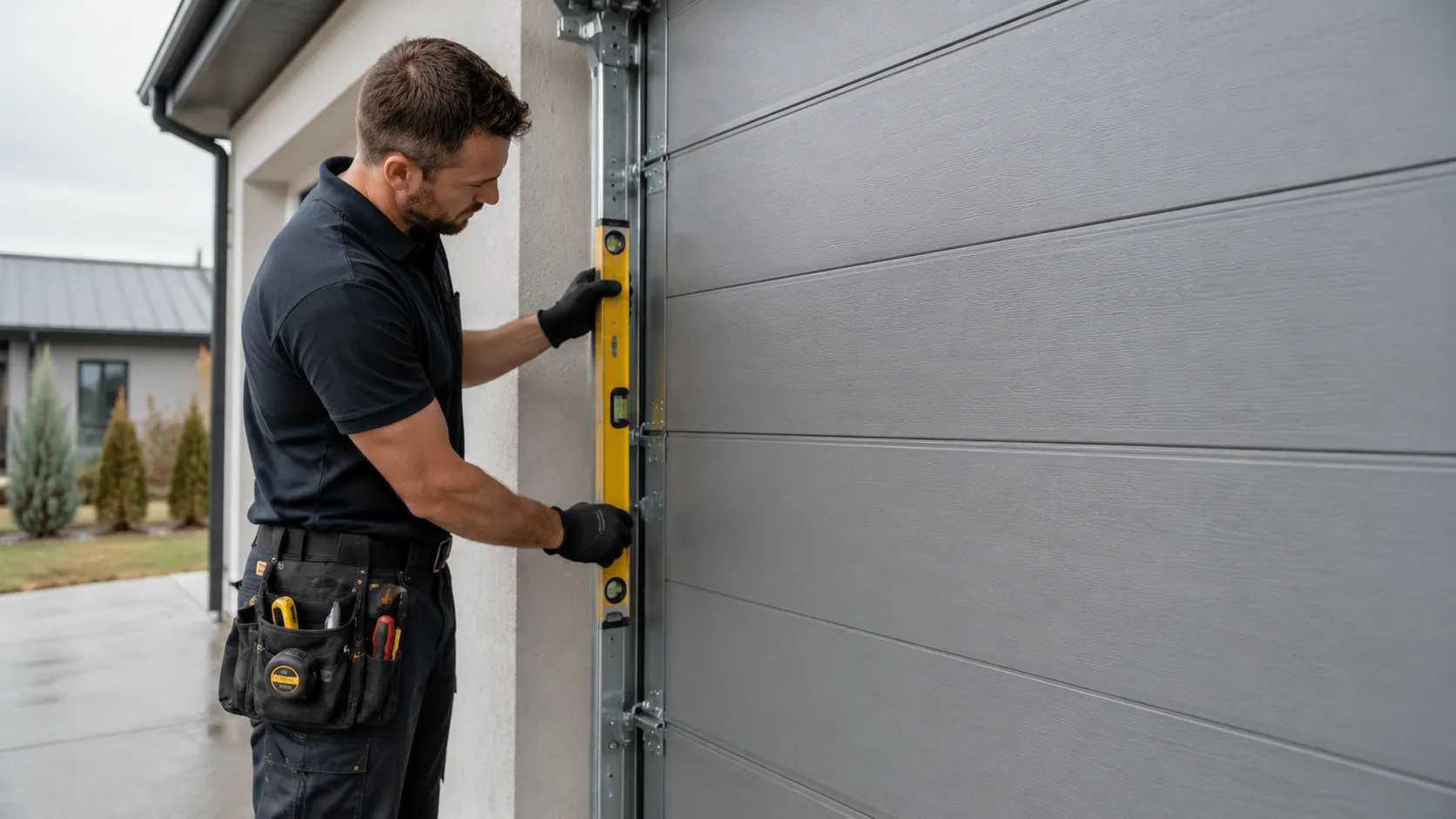
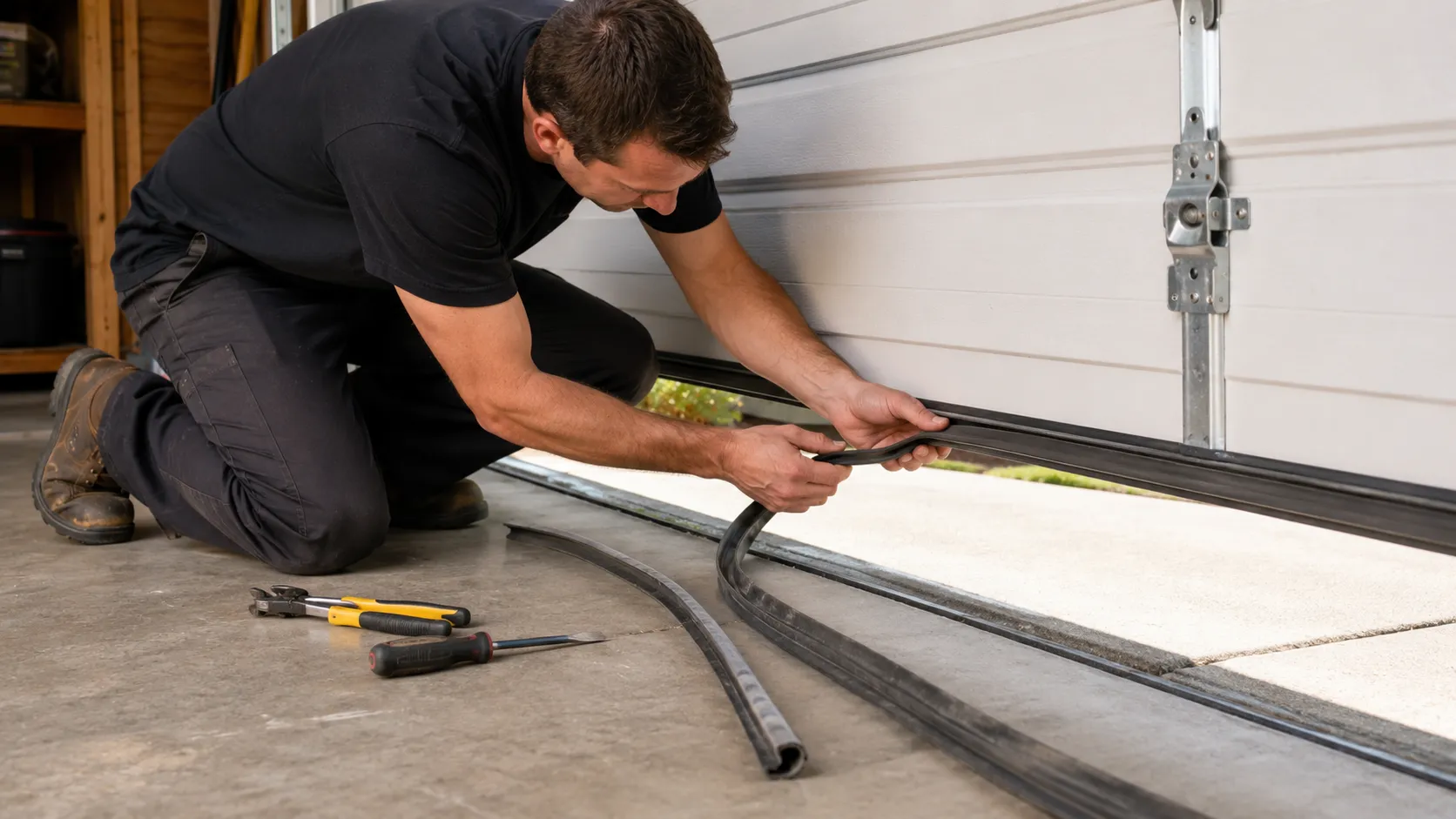
Most of the garage doors we get called out to in Freeport went up somewhere between 1938 and 1990, with the median build year sitting around 1957. That one number explains a lot. A door installed in the Eisenhower era was hung on hardware sized for a lighter panel, run on a track spacing that newer sections don't match, and bolted to framing that has shifted an inch or two since the concrete cured.
Across the wider service area - 5,232 owner-occupied houses out of 7,587 households - the pattern repeats: pre-1960 stock is the rule, not the exception, in most of the thirteen named areas we cover. On top of the age, this region sits in a cold-severe climate band. Steel contracts in deep cold, torsion springs lose wind tension faster than they would somewhere milder, and nylon rollers that were fine in August start binding the first week real cold sets in.
So when someone calls about a door that 'just stopped working,' the honest answer is usually two problems layered on top of each other: old hardware and a hard winter doing what it does to old hardware.
The Common Mistake
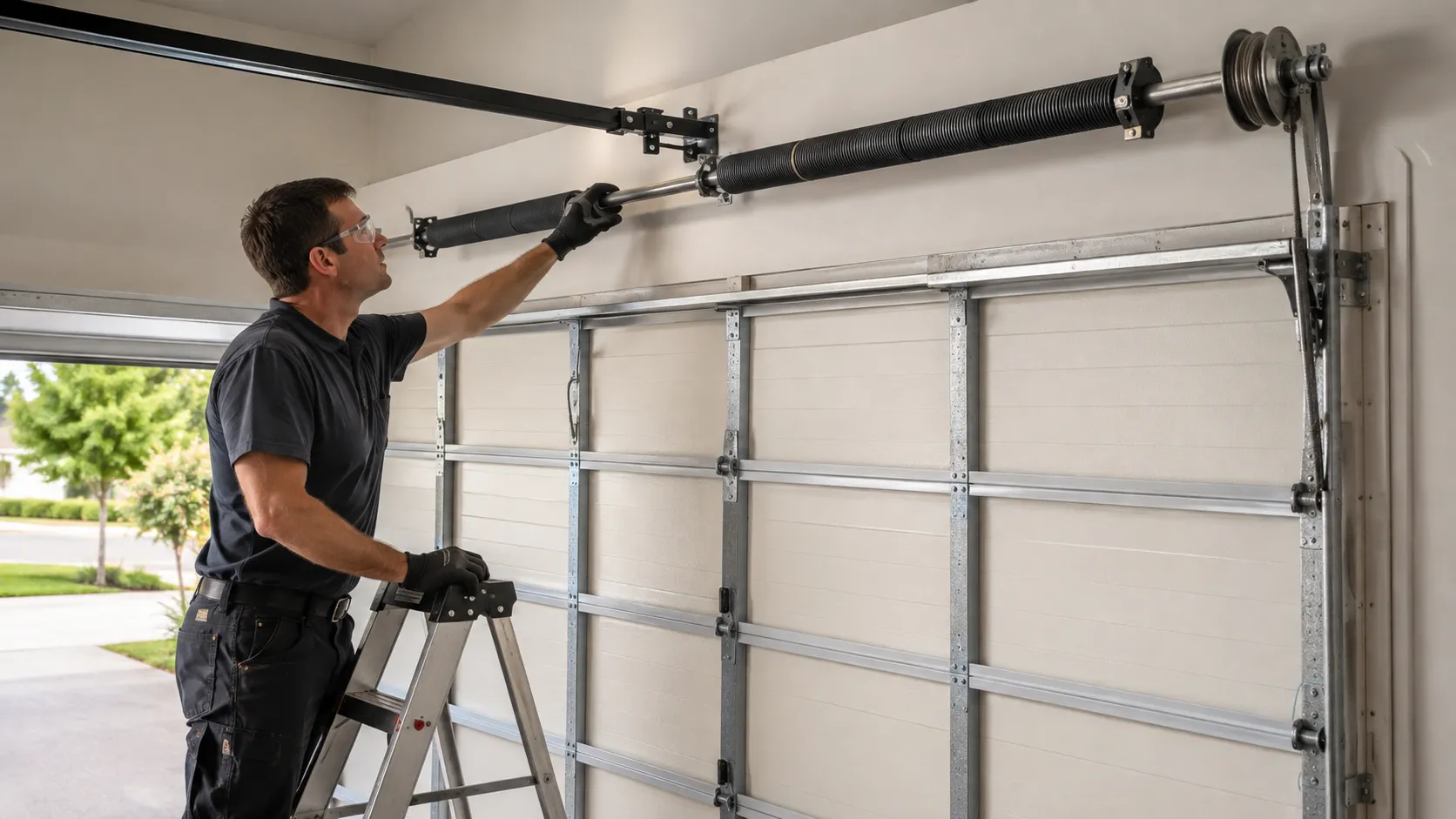
The mistake we see most is treating a stuck or noisy door as a lubrication problem when it's really a tension problem. Spraying the track and calling it done might quiet things down for a week, but on a door built to 1950s-1960s spacing, the actual issue is usually a torsion spring that's already lost part of its wind from age and cold, not dirt on the rollers. The second common mistake is swapping the opener first.
A new opener bolted to a spring that's out of balance will strain the motor gears and burn out faster, and the owner ends up paying twice - once for the opener, once for the spring job that should have come first. On older Freeport-area houses in particular, checking spring balance before touching anything else isn't optional, it's the order the job actually has to go in.
Doing Nothing For Now
Some things can wait. A rattle in a track on a door that still opens smoothly, or a keypad that's a little slow, aren't emergencies. But in a cold-severe climate, a spring that's already under-tensioned doesn't hold steady - it gets worse with every hard freeze, because the steel keeps contracting and the cable keeps taking up the slack that isn't there.
Wait through one more Freeport winter on a door already showing signs of strain, and the failure tends to happen at the worst possible moment: a snapped cable or spring when the door is halfway up, with a car underneath it. At a median household income of $64,107 across this area, most owners we talk to want to know if a repair is worth doing now versus waiting for a bigger job later - and on pre-1960 hardware in this climate, waiting usually just moves the job from a spring call to a spring-plus-track-plus-panel call.
What Local Conditions Do
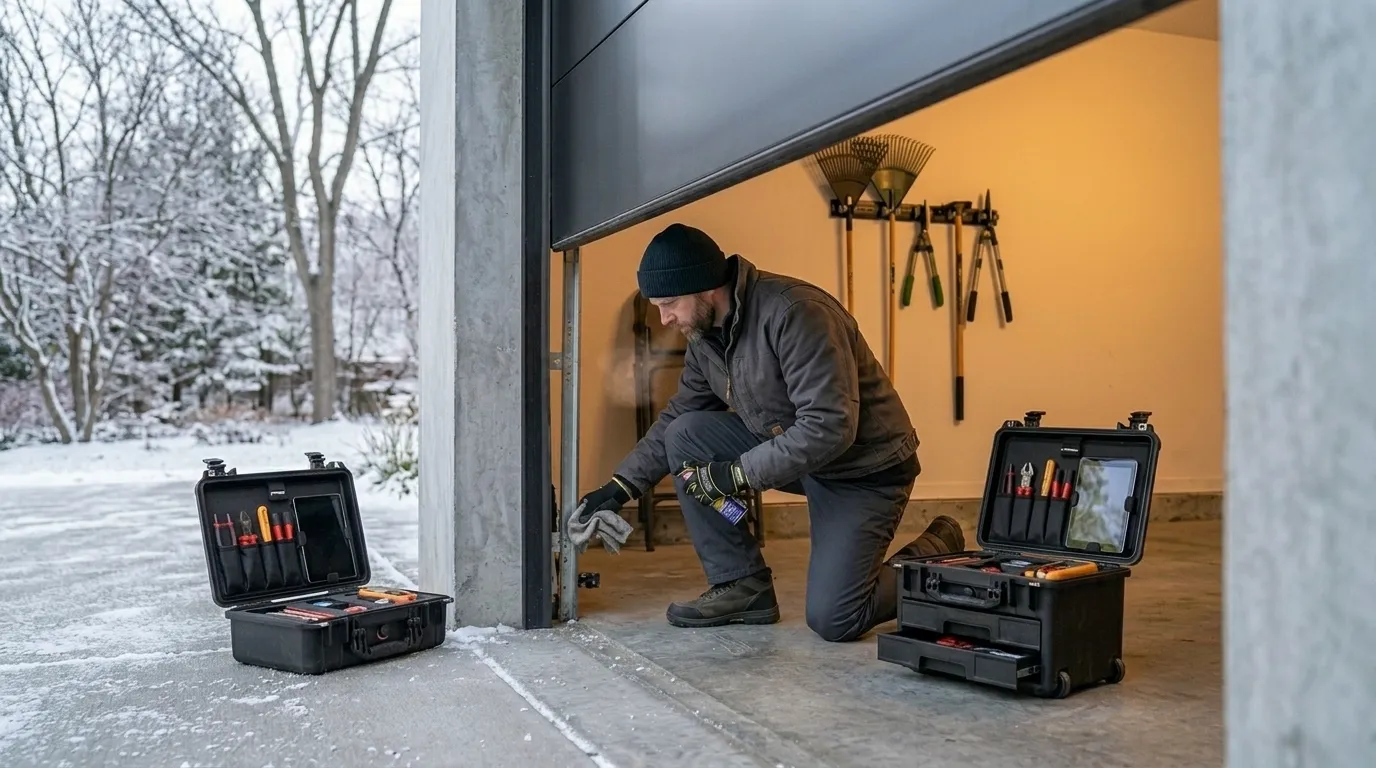
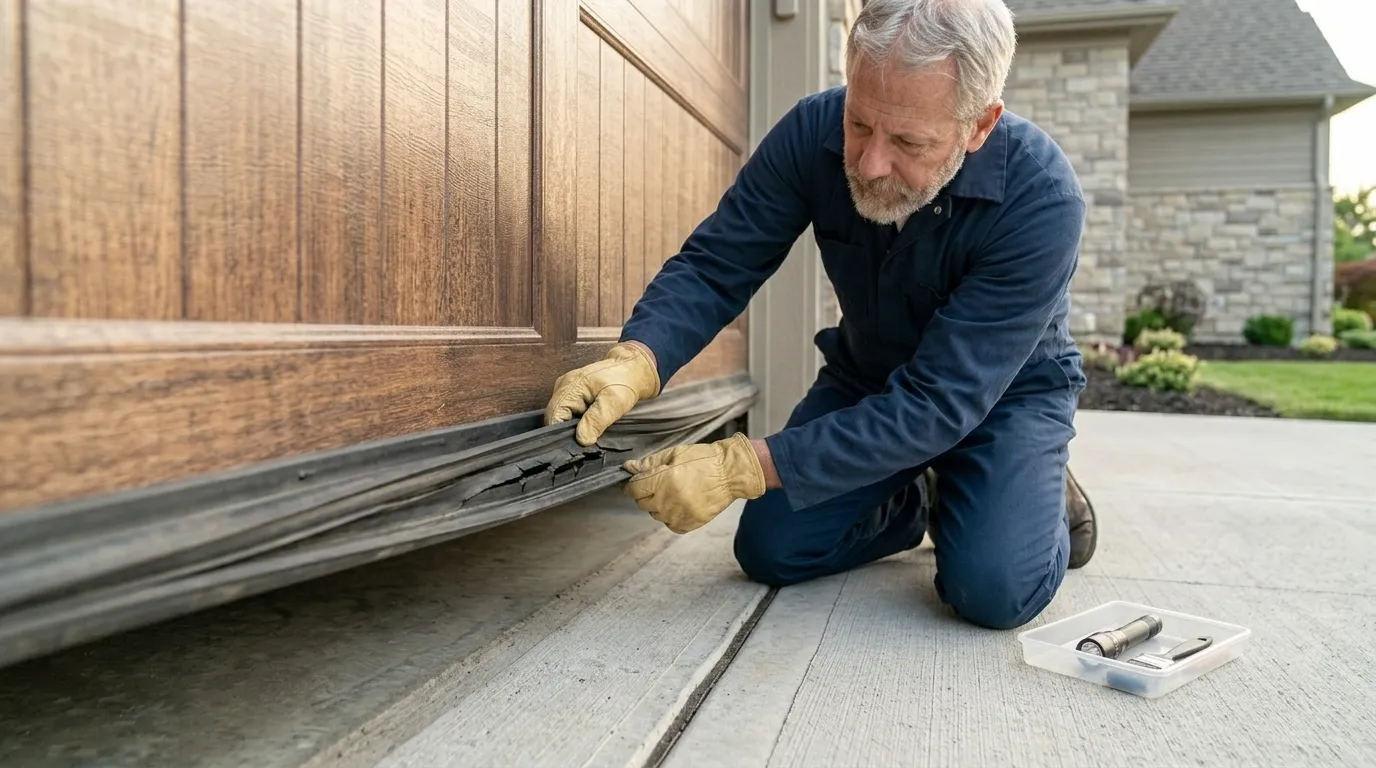
Cold-severe winters change how we diagnose a call before we even open the door. Torsion springs calibrated for a certain wind tension lose some of that tension as steel contracts, so a spring that read balanced in October can be noticeably off by January - not because anything broke, but because the metal itself behaves differently in the cold. Lubricant viscosity changes too; grease that's fine in summer can stiffen enough in a hard freeze to load extra strain on the opener motor.
Combine that with housing stock where the median build year is 1957, and you get openings, track spacing, and panel weights that don't match anything sold new today. One honest limit here: we don't keep every obsolete panel size or hardware set on the truck for houses from this era, so if a section on an original 1950s or 60s door needs replacing rather than repairing, that part sometimes has to be special-ordered, and that takes longer than a same-day fix. We'll tell you that up front on the call rather than promise a turnaround we can't back up.
How We Can Help
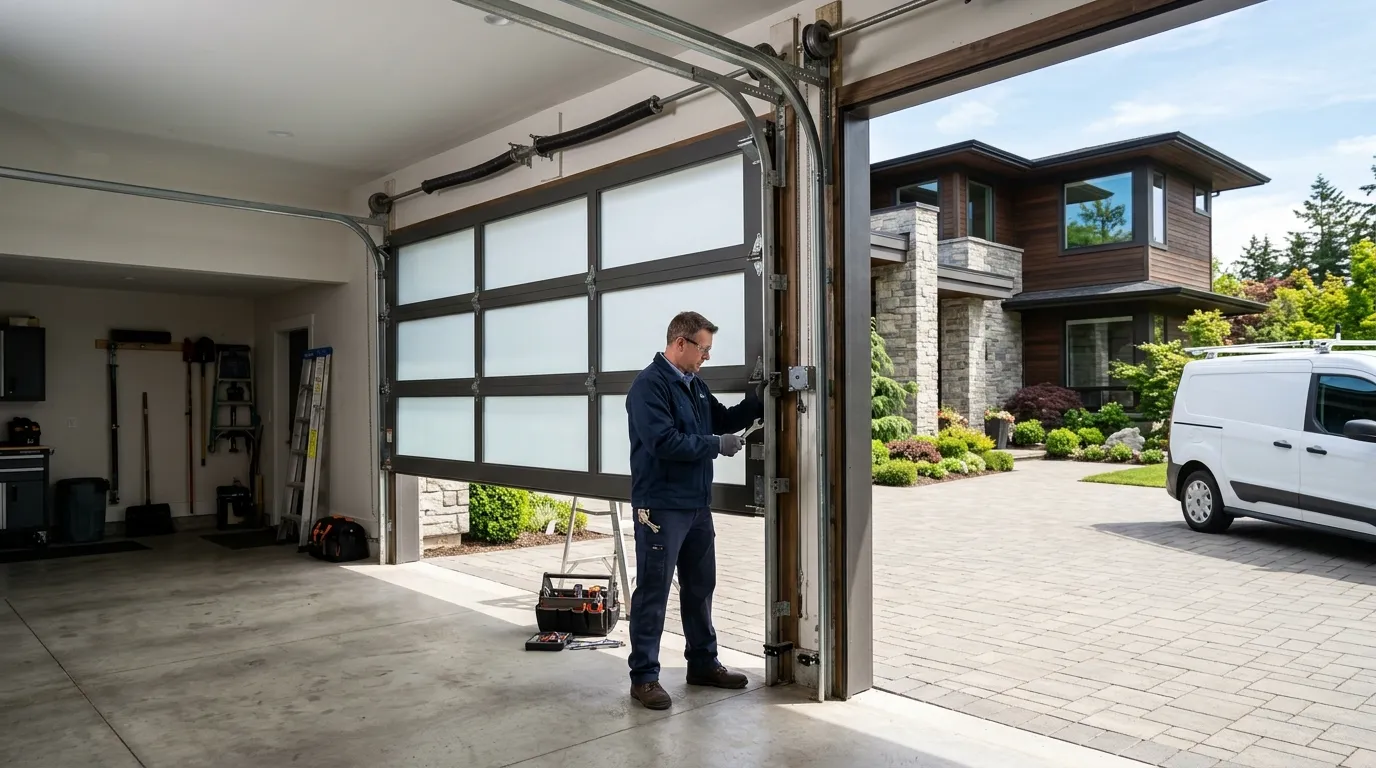
Garage Door Repair
Springs, cables, tracks, rollers, and openers fixed by a tech who explains the problem before touching anything.
Learn more →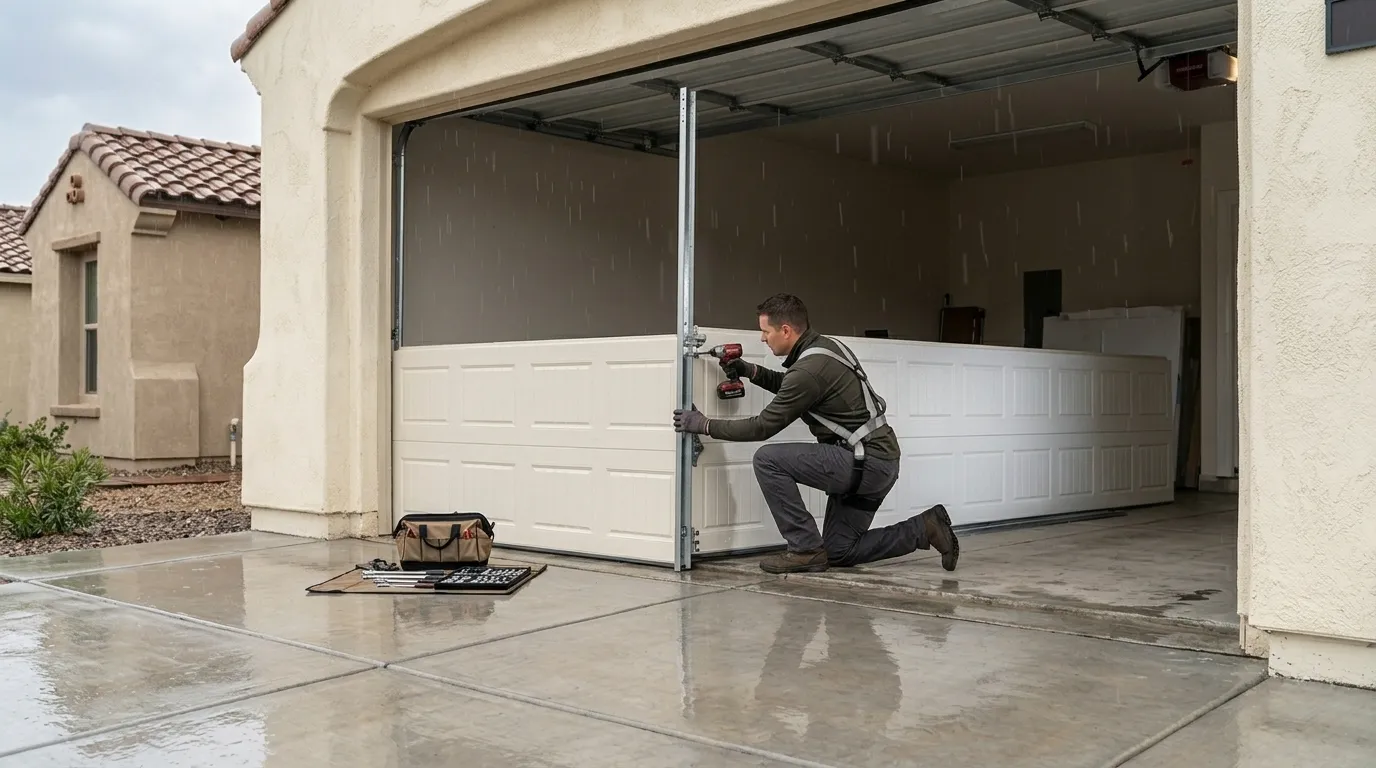
Garage Door Installation
New sectional doors sized and installed for the housing stock actually built in this area.
Learn more →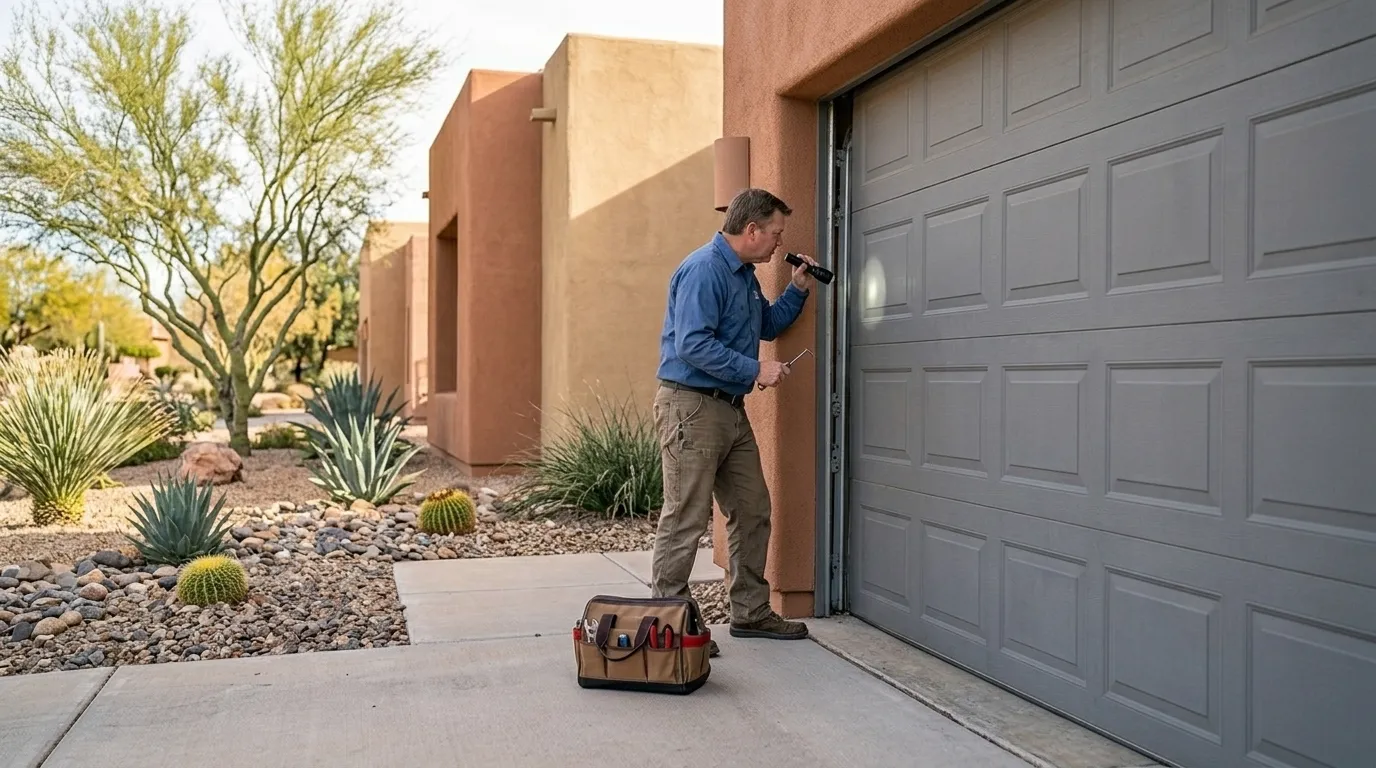
Garage Door Service
Tune-ups, lubrication, and safety checks that catch a small problem before it becomes a service call.
Learn more →Frequently Asked Questions
How do I know if my door needs a repair or a full replacement?
It depends on the age of the hardware and how far the spring tension has drifted. On a lot of the pre-1960 doors common across this area, a spring or cable job is usually enough. If the track, hinges, and panels are all showing wear from decades of cold-weather cycling, replacement often ends up cheaper than repeated repair calls.
Why does my garage door get harder to open in winter?
Cold-severe winters make steel torsion springs contract, which reduces the tension they were set to hold. Add stiffer grease and a heavier door, and the opener has to work harder to lift the same panel it handled fine in July. It's a tension issue more than a mechanical failure.
Do you carry parts for older doors on the truck?
Common spring, cable, and roller sizes, yes. Original hardware from houses built in the 1940s and 50s sometimes isn't something we stock, since it's no longer made in the sizes it was then. If your door needs one of those parts, we'll tell you on the call what has to be special-ordered.
Is it worth fixing an old door instead of replacing it?
Often yes, if the frame and track are square and the panels aren't warped. Given the median household income in this area, most owners we talk to want the cheaper fix first and replacement only when repair costs start stacking up close to what a new door would run.
Have a Door That Needs a Second Opinion?
Call and describe what it is doing - we will tell you what it likely is.